Ink that Traces
Ink remembers. Gesture responds
Ink that Traces is an interactive installation where hand gestures gradually uncover traditional Chinese ink paintings — turning the viewer's body into the brush.
Tradition
Chinese ink paintings
Computation
TouchDesigner
Gesture
Audience’s hand movements
The work exists where these three forces meet. A painting carried forward by computation, brought back into presence by a stranger's hand.
Each of the three is incomplete alone — the piece is the relationship between them, and it raises a quiet question: when a painting is revealed rather than drawn, who is its author?
Initial Ideation
This project began with a question about embodied knowledge: traditional Chinese painting carries decades of practice in the hand of its maker — how can that be reinterpreted, not replaced, through computation? Rather than building a free-form digital brush, I wanted a system where the viewer doesn't create from nothing but uncovers something already there. Using my grandfather's paintings as the source made the question personal: the work became less about cultural commentary and more about presence, inheritance, and what it means to meet someone's art through your own movement.
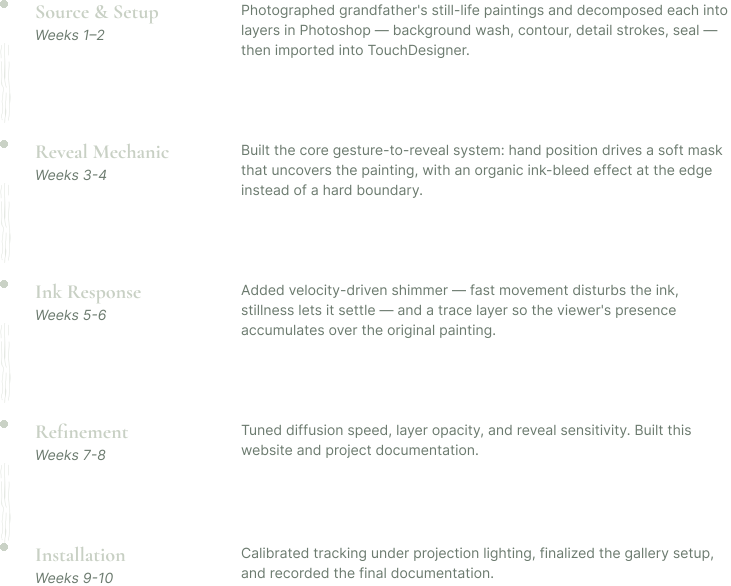
Timeline
Relevant Works
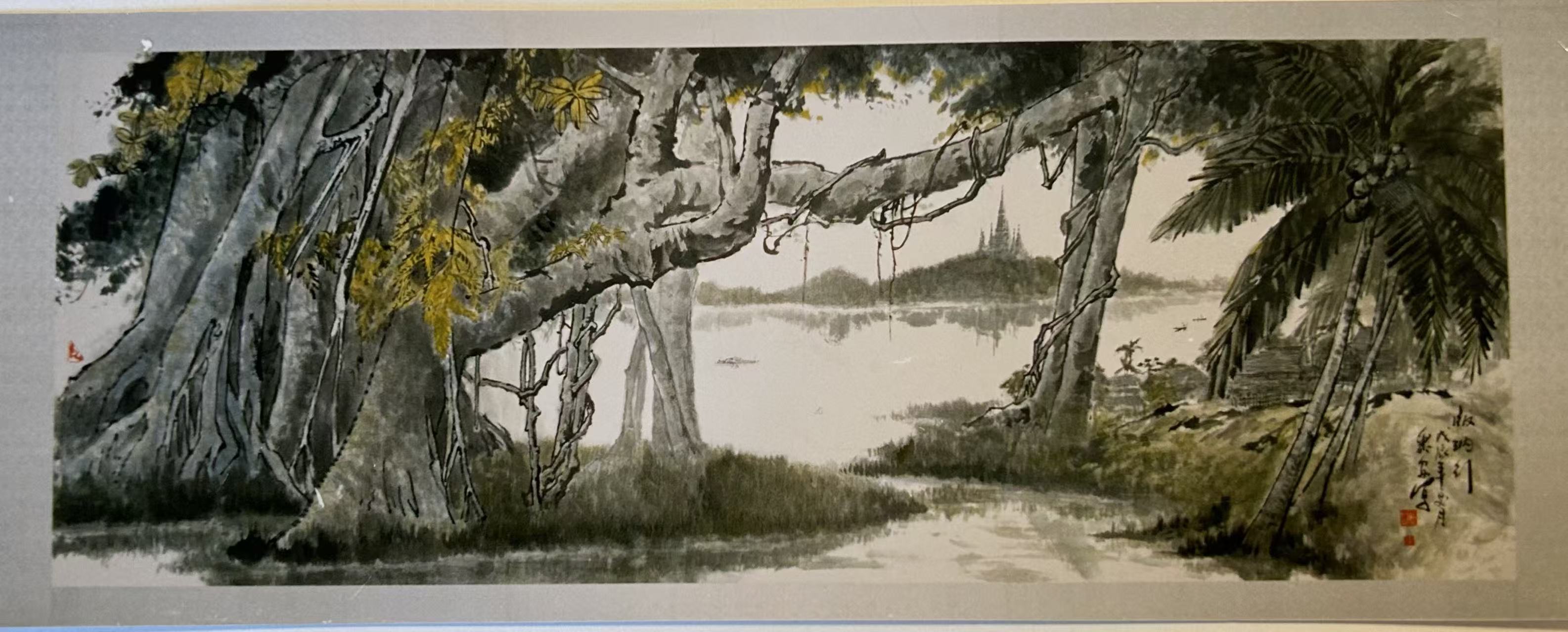
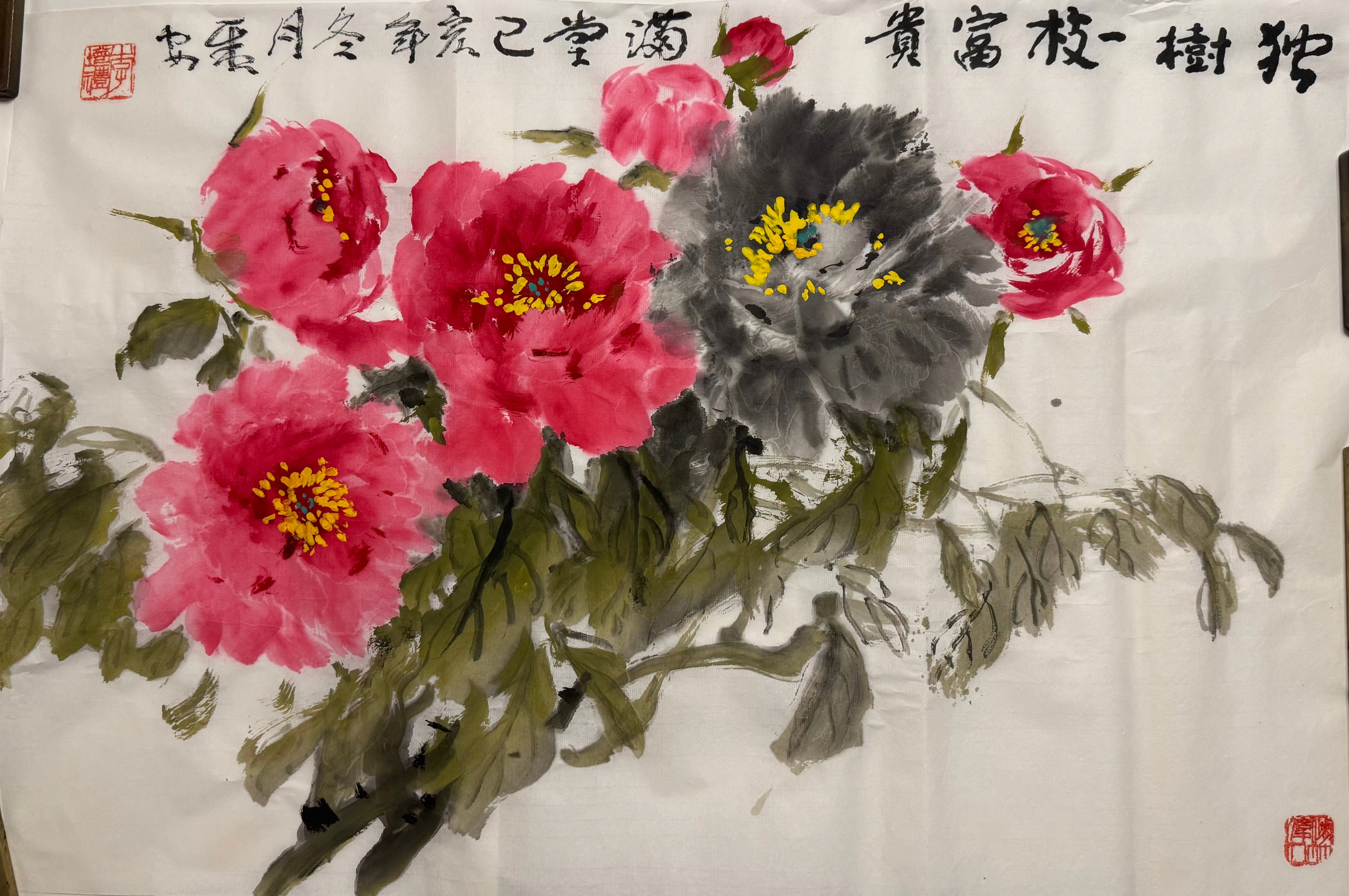
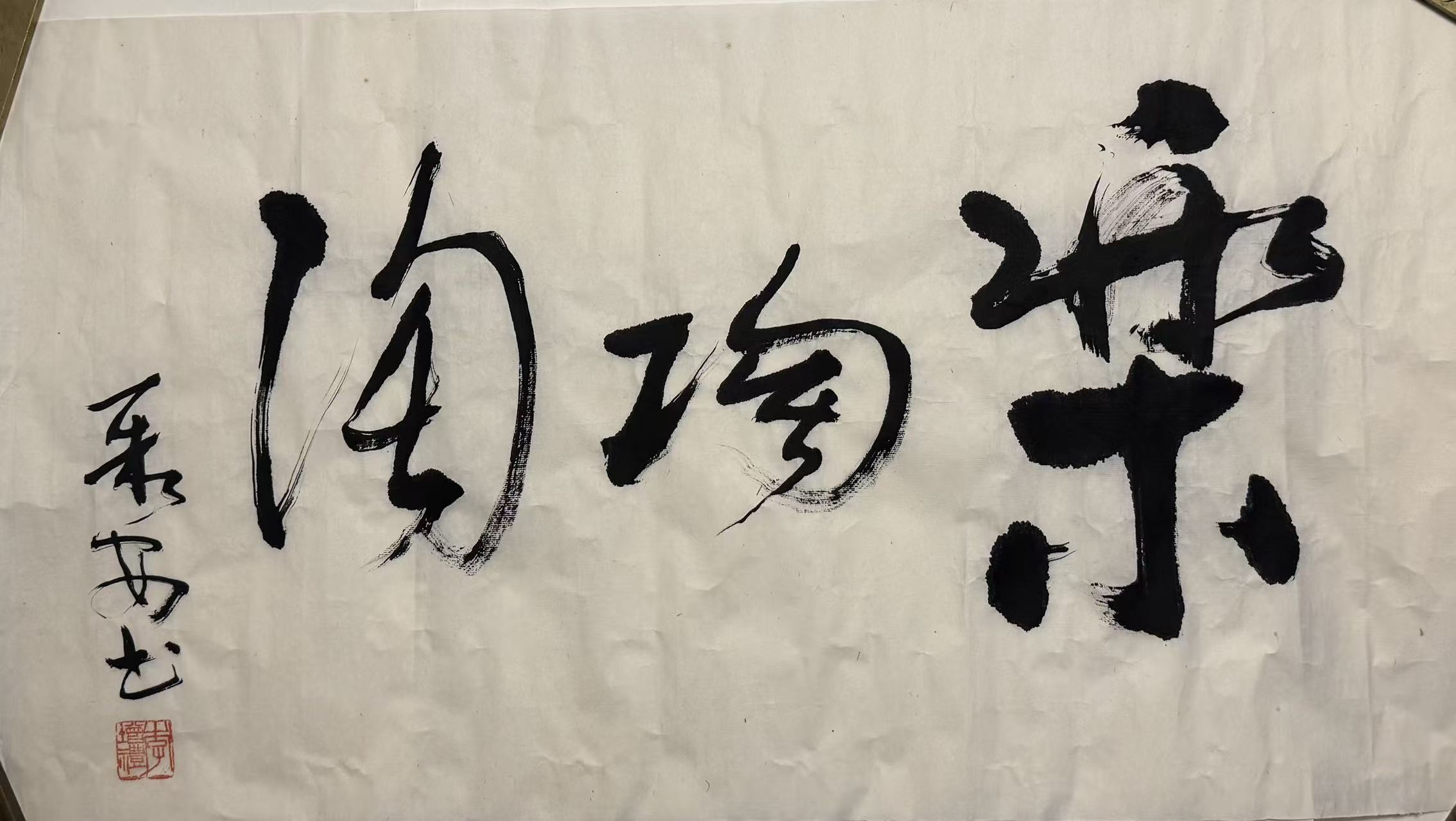
Li Zengli — Traditional Chinese Ink Painting The direct visual
The direct visual source of this project. His restrained brushwork and layered ink define the entire aesthetic; my work reopens his finished paintings as a space others can enter.
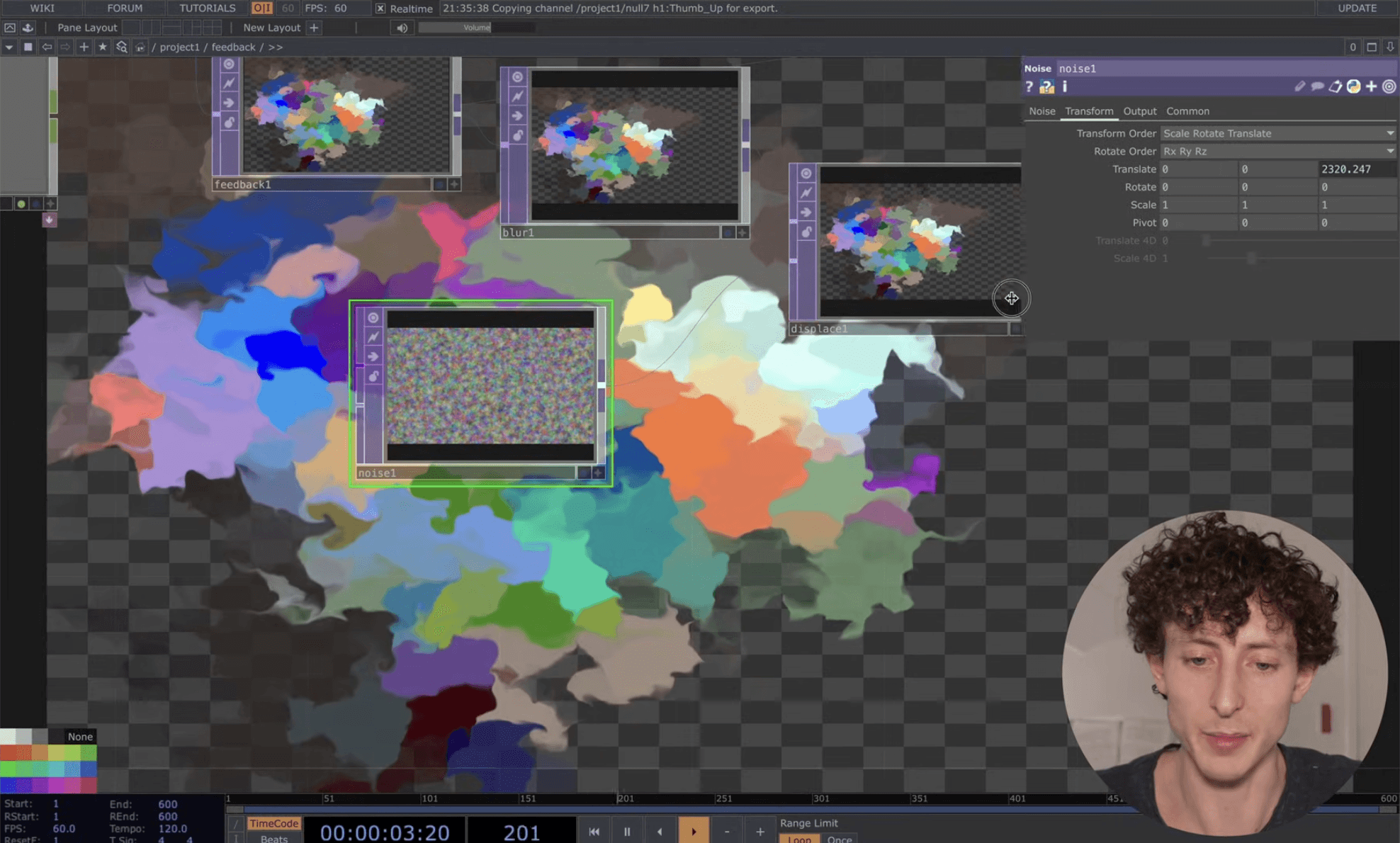
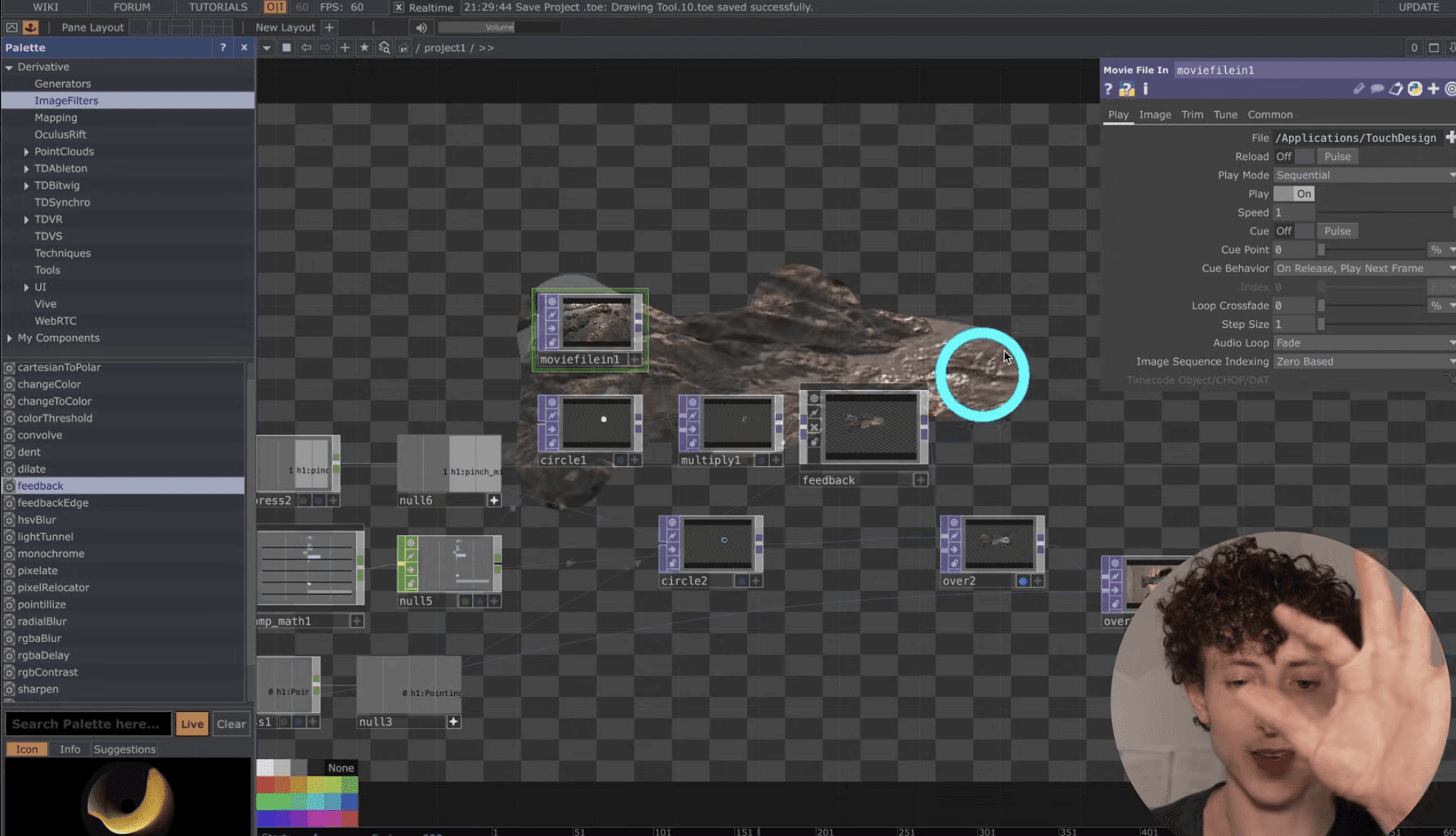
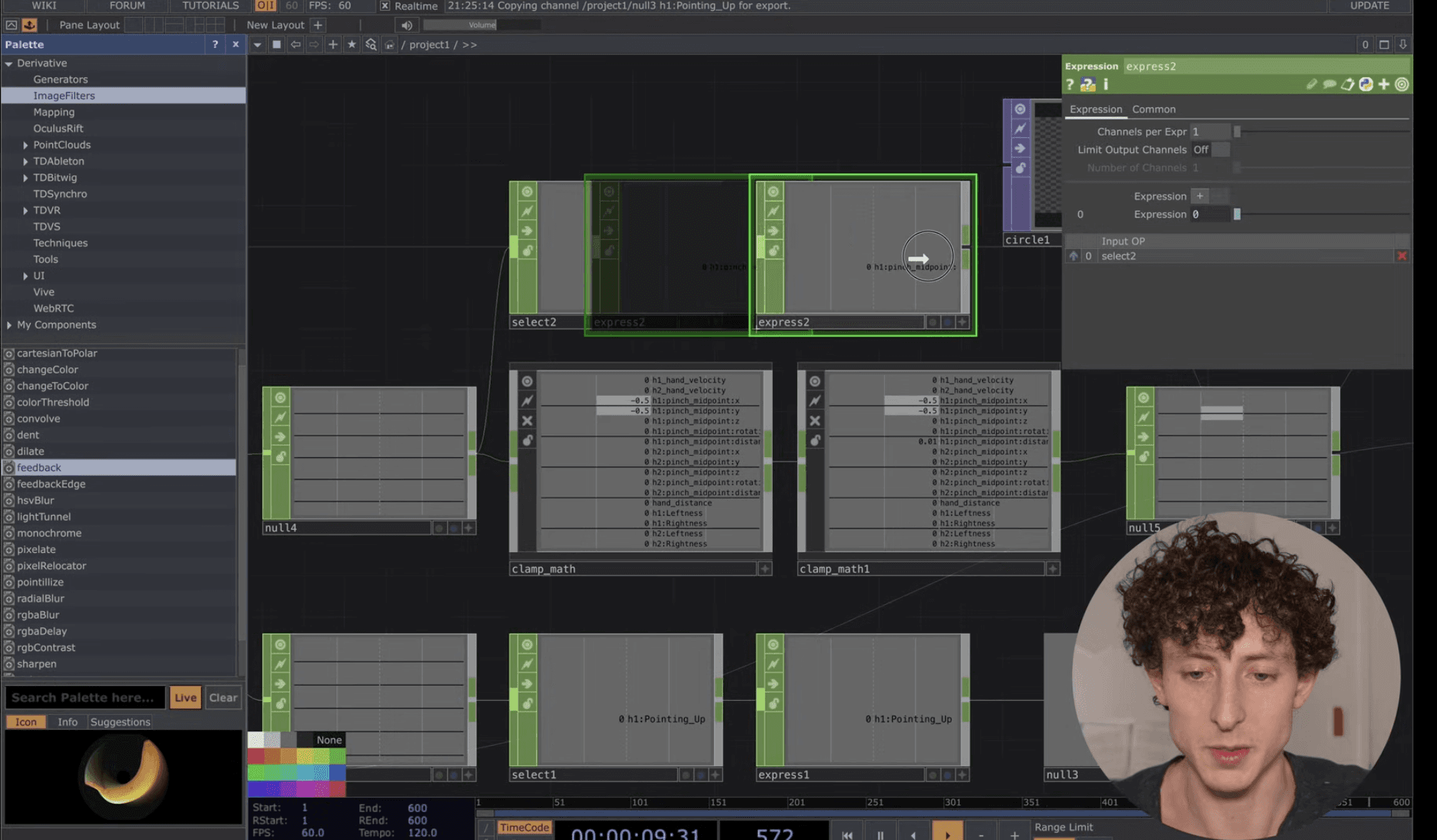
Torin Blankensmith — Hand-Tracking Watercolor (TouchDesigner)
A technical reference for webcam-based hand tracking. His system lets users draw freely; mine deliberately withholds that — gestures reveal a pre-existing painting rather than create one.
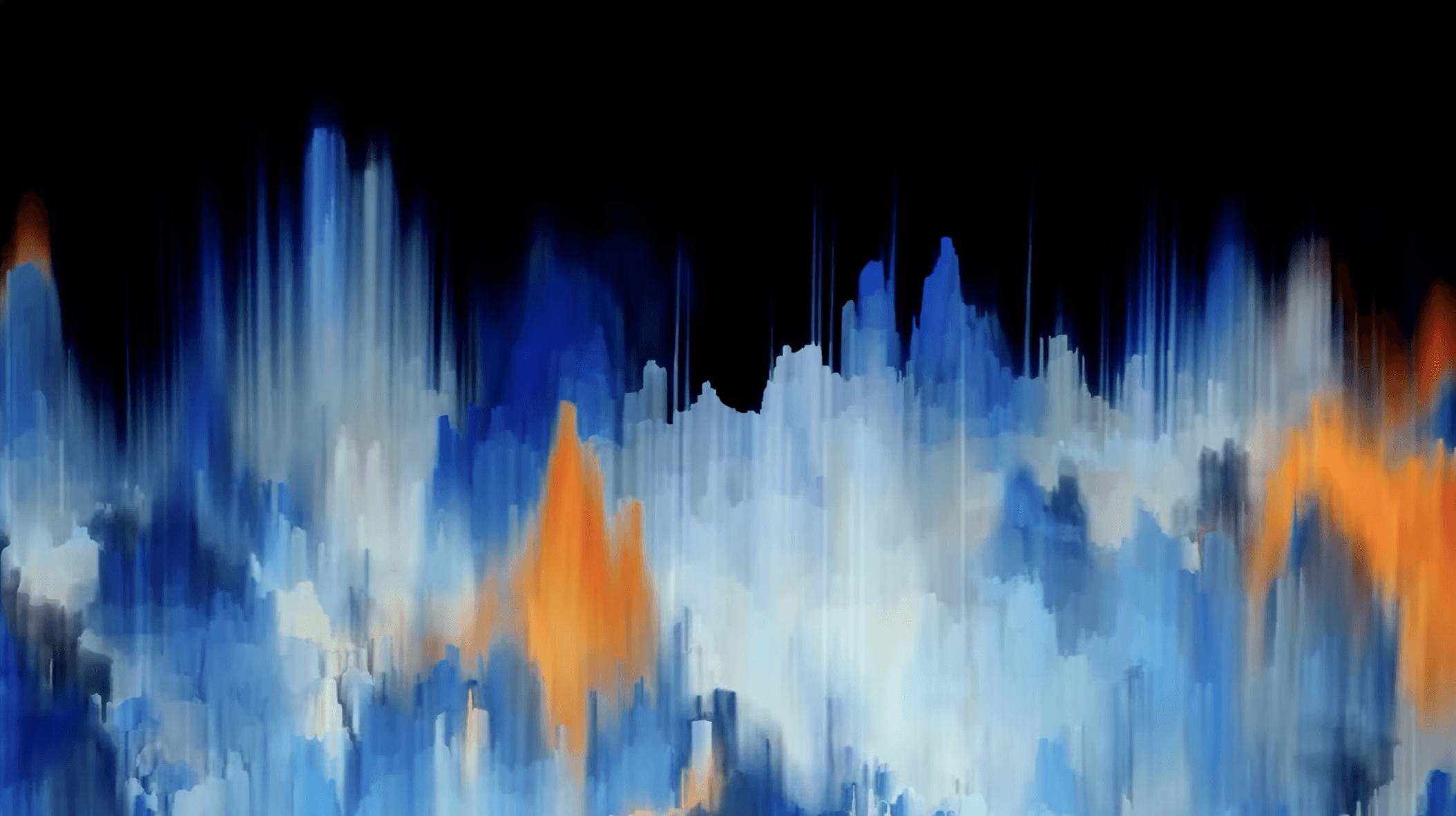

Alex Xi — Shanshui · Falling
Shares my core tension: traditional Chinese painting reinterpreted through computation. His work is generative and observed; mine is participatory and tied to one specific person's paintings, making it more personal than cultural.